
Volvo Safety Systems Explained: How the Technology Works Together on the Road
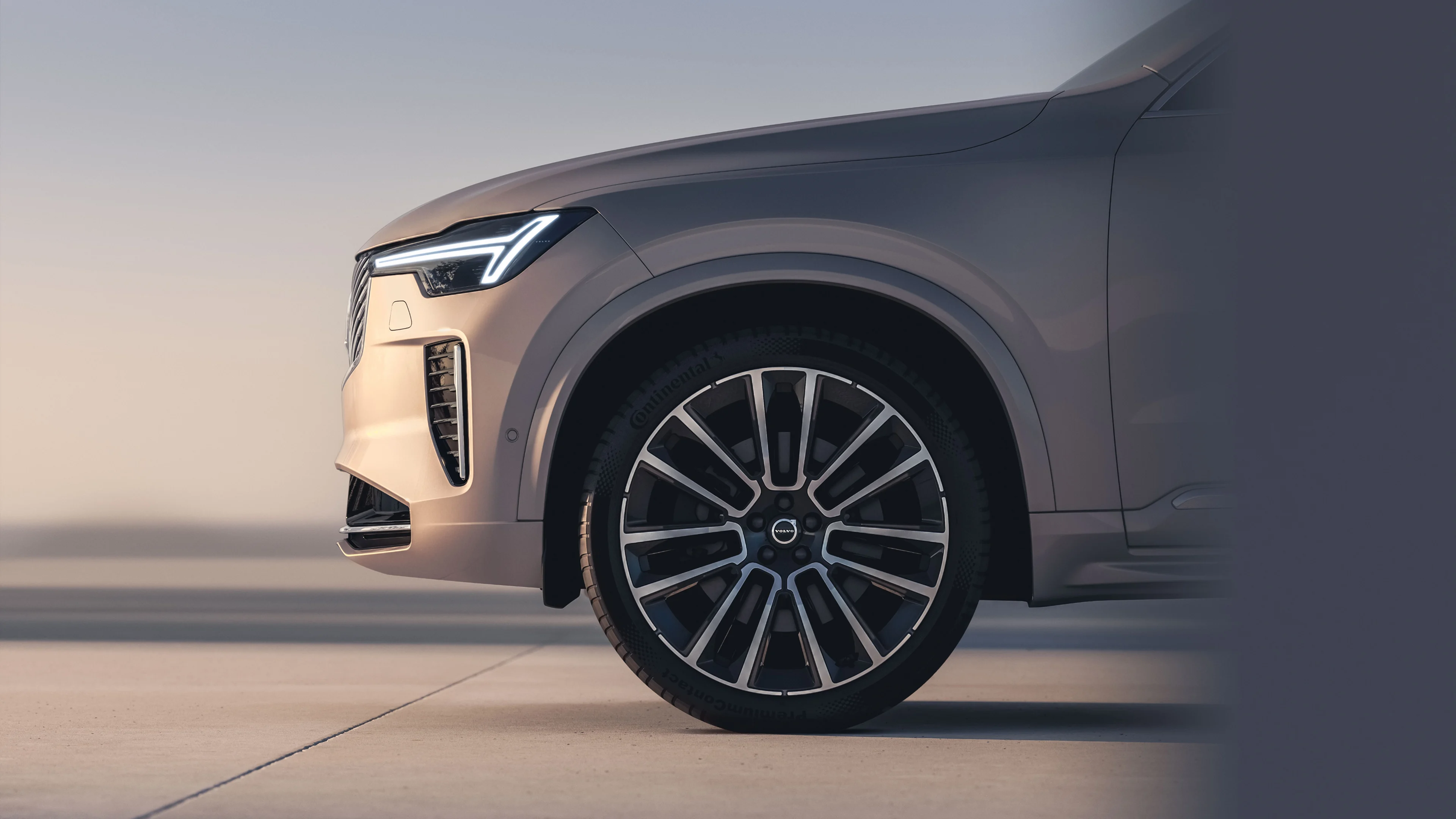
Volvo’s reputation for safety is built on a simple idea: the best accident is the one that never happens. Rather than focusing only on crash protection, Volvo designs its safety systems to help drivers avoid collisions in the first place. Modern Volvo safety features are designed to work together as a coordinated network, using cameras, radar, and software to monitor the road and support driver awareness. For drivers learning about Volvo safety features and Volvo driver assist technology, understanding how these systems interact during everyday driving helps explain why Volvo’s approach feels so intuitive. At Volvo Cars Winston-Salem, many shoppers want to know how this technology performs during normal commutes, errands, and longer trips.
A System Built Around Awareness
Volvo safety systems are designed to constantly observe the environment around the vehicle. Cameras monitor lane markings and objects ahead, while radar sensors track the speed and distance of surrounding vehicles. This information is shared across multiple systems so the vehicle can respond intelligently when conditions change.
Rather than relying on one feature at a time, Volvo safety features work as a group. This layered approach allows the vehicle to detect potential hazards earlier and provide support before a situation escalates.
Collision Avoidance That Fits Daily Driving
One of the core elements of Volvo driver assist technology is collision avoidance. These systems can detect vehicles, pedestrians, cyclists, and large animals ahead of the vehicle. When a potential collision is identified, the system alerts the driver and can apply braking assistance if needed.
How does this help in everyday situations? Scenarios like sudden traffic slowdowns, busy intersections, or congested urban streets are where early alerts and gentle braking support can help reduce risk and stress for the driver.
Lane Support and Steering Assistance
Lane keeping and steering assistance features help prevent unintentional lane departures by monitoring road markings and vehicle position. When the vehicle begins to drift, the system provides visual alerts or gentle steering input to guide it back.
Do these systems feel intrusive while driving? Volvo calibrates lane support to feel subtle, allowing drivers to remain fully in control while receiving assistance when attention briefly slips. This balance helps reduce fatigue without taking over the driving experience.
Speed and Distance Management on the Highway
Adaptive cruise control plays an important role in highway safety. By maintaining a set following distance and adjusting speed as traffic changes, the system helps smooth out acceleration and braking. This can make long highway drives feel more relaxed and less demanding.
For drivers who spend a lot of time commuting or traveling, this support helps maintain safe spacing and reduces the constant input required in stop and go traffic.
How the Technology Works Together
What truly sets Volvo safety features apart is how they communicate with one another. Collision detection, lane support, and speed management systems share data in real time. This allows the vehicle to respond smoothly to complex situations rather than reacting abruptly.
Is Volvo driver assist technology meant to replace the driver? No. These systems are designed to support awareness and decision making, not replace responsibility behind the wheel.
Designed for Real Roads and Real Drivers
Volvo develops its safety technology based on real world driving data. This means systems are designed to handle everyday scenarios, not just ideal test conditions. From city streets to highways and suburban roads, Volvo safety features are tuned to respond in ways that feel natural rather than alarming.
At Volvo Cars Winston-Salem, drivers often comment that the safety systems feel reassuring rather than distracting. Alerts are clear, and interventions are measured, which helps maintain confidence without overwhelming the driver.
Why Volvo Continues to Lead With Safety
Volvo’s safety philosophy continues to evolve as driving environments change. By refining how systems work together and focusing on prevention, Volvo remains committed to supporting drivers in everyday situations.
For drivers interested in Volvo safety features and Volvo driver assist technology, understanding how these systems function together provides clarity and confidence when choosing a vehicle.
Frequently Asked Questions About Volvo Safety Systems
What are Volvo safety features designed to do?
They help prevent accidents and support driver awareness during everyday driving.
How does Volvo driver assist technology work on highways?
It supports lane positioning, speed control, and safe following distance.
They operate automatically while allowing the driver to remain in control.
Categories:
New Inventory